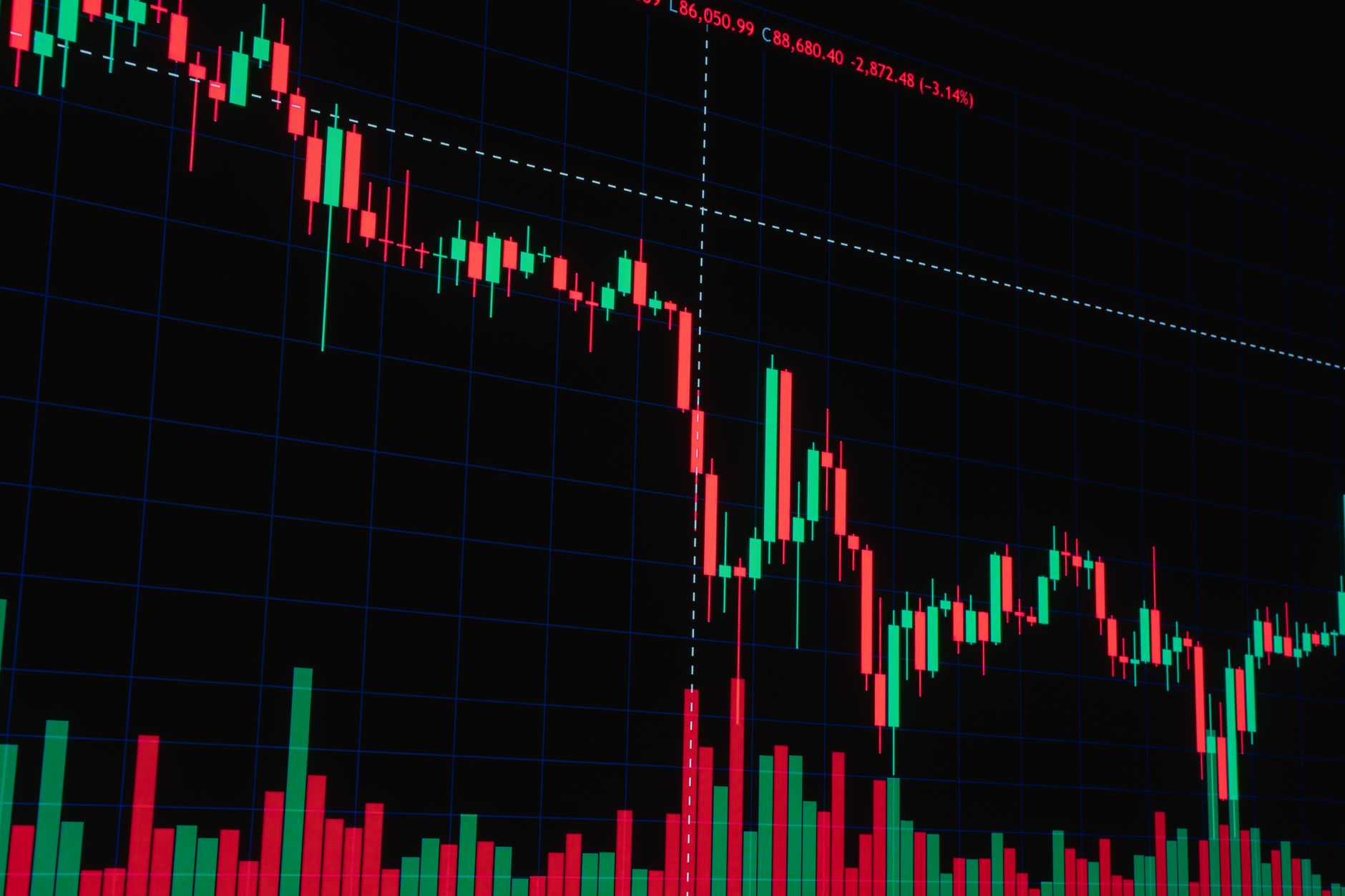
Goldman equity traders have exceeded estimates, showcasing their strong performance in a challenging market. This development stands in contrast to the struggles faced by fixed income sectors.
Overview of Goldman Sachs Performance
Goldman Sachs has showcased the strength of its equity traders in a recent report, highlighting their ability to adapt and thrive amid fluctuating market conditions. The performance of Goldman equity traders has surpassed expectations, as they have capitalized on various opportunities within the equity markets, even as other sectors, such as fixed income, faced challenges.
The bank’s equity trading division reported impressive results that exceeded analysts’ estimates, demonstrating the effectiveness of its strategies and the expertise of its team. Key factors contributing to their success include:
- Increased Market Volatility: The unpredictable nature of the markets has allowed skilled traders to leverage their insights.
- Diverse Trading Strategies: A broad range of approaches has enabled the team to identify profitable trades across different sectors.
- Strong Client Relationships: Maintaining robust connections with clients has facilitated better trading volumes and opportunities.
While fixed income results did not meet projections, Goldman equity traders have demonstrated resilience and adaptability. Their ongoing performance not only reinforces the bank’s reputation but also sets a strong foundation for future growth.
Impact of Fixed Income on Overall Results
The recent performance of Goldman equity traders has highlighted their ability to navigate a challenging market environment. While various sectors have faced turbulence, equity trading has emerged as a stronghold for the firm, delivering impressive results.
In contrast, the fixed income segment has struggled to meet expectations, impacting the overall performance of Goldman Sachs. Analysts have noted several factors contributing to this decline:
- Interest Rate Volatility: Rapid changes in interest rates have led to uncertainty, causing investors to hesitate in fixed income markets.
- Decreased Demand: A shift in market sentiment has prompted a reduced appetite for bonds, particularly among institutional investors.
- Global Economic Concerns: Ongoing geopolitical tensions and inflation worries have further complicated fixed income trading strategies.
In this context, Goldman equity traders have managed to maintain a competitive edge. Their ability to adapt and capitalize on market fluctuations has proven essential. With a focus on strong performance metrics, these traders have positioned Goldman Sachs as a leader in the equity space, even as challenges persist in other areas.
Comparative Analysis of Equity vs. Fixed Income
The performance of Goldman equity traders has garnered attention as the market continues to evolve. A comparative analysis of equity versus fixed income reveals significant distinctions in their contributions to overall financial results.
In recent quarters, equity trading has outperformed fixed income in several key areas:
- Revenue Generation: Equity divisions have shown robust revenue growth, benefitting from increased volatility and client demand for trading services.
- Market Adaptability: Equity traders at Goldman Sachs have demonstrated a remarkable ability to navigate changing market conditions, capitalizing on opportunities that arise from fluctuations.
- Client Engagement: The focus on equity trading has strengthened relationships with clients, as firms seek to optimize their portfolios amid uncertainty.
Conversely, fixed income has faced challenges, with declining volumes and reduced trading activity impacting overall performance. This contrast highlights the strengths of Goldman equity traders in a shifting landscape. While fixed income remains a critical component of financial services, the agility and strategic insights provided by equity teams offer a competitive edge that is increasingly relevant.
As market dynamics continue to shift, the results delivered by Goldman equity traders affirm their vital role in the firm’s ongoing success.
Market Reactions to Goldman’s Earnings
Goldman Sachs’ recent earnings report has elicited strong reactions from the market, particularly regarding the performance of its equity traders. Analysts noted that while fixed income results fell short of expectations, the equity division showcased robust results that surpassed forecasts. This contrast has fueled discussions among investors about the shifting dynamics within the financial sector.
The success of Goldman equity traders can be attributed to several factors:
- Strategic Positioning: The team effectively navigated volatile market conditions, capitalizing on trading opportunities that emerged.
- Increased Client Demand: A surge in client activity in equities has provided the traders with a favorable environment to generate higher revenues.
- Innovative Trading Strategies: Implementation of advanced trading techniques has allowed the equity division to maintain a competitive edge.
Market analysts are cautiously optimistic, recognizing that the strength of Goldman’s equity traders amidst fluctuating economic conditions may indicate a broader trend in investment preferences. As investors shift focus from fixed income to equities, Goldman Sachs appears well-positioned to continue delivering strong results in its equity division, reinforcing its reputation as a leader in the financial services industry.
Expert Opinions on Trading Strategies
Expert opinions suggest that the recent success of Goldman equity traders can be attributed to their adaptability in a rapidly changing market environment. Analysts highlight several key strategies employed by these traders that have proven effective.
- Data-Driven Decisions: Many experts emphasize the importance of using advanced data analytics to gauge market trends and investor sentiment. This method allows Goldman equity traders to make informed decisions that align with market movements.
- Diversification of Portfolios: By diversifying their investment portfolios, Goldman equity traders mitigate risks associated with volatility in specific sectors. This strategic approach has enabled them to maintain stable returns even when other areas underperform.
- Real-Time Adaptation: The ability to adapt strategies in real-time is crucial. Experts note that Goldman equity traders have successfully adjusted their trading tactics in response to sudden market shifts, resulting in enhanced performance.
- Focus on Emerging Markets: Goldman’s equity traders have increasingly turned their attention to emerging markets, which offer higher growth potential. This shift has contributed to their recent successes amid challenging conditions in established markets.
Overall, these strategies combined with the traders’ expertise position Goldman Sachs favorably in the competitive landscape of equity trading.
Future Outlook for Goldman Traders
The future outlook for Goldman equity traders remains optimistic as they continue to adapt to the ever-changing market dynamics. Analysts suggest that the resilience demonstrated by these traders amidst varying economic conditions positions them favorably for the upcoming quarters.
Several factors contribute to this positive outlook:
- Market Volatility: Increased volatility often leads to heightened trading opportunities, which Goldman equity traders are well-equipped to capitalize on.
- Technological Advancements: The integration of advanced trading algorithms and tools enhances the efficiency and accuracy of trade execution.
- Client Demand: A growing interest in equity investments among clients may drive higher trading volumes, benefiting Goldman’s equity desk.
- Strategic Partnerships: Collaborations with fintech firms are expected to further strengthen the trading capabilities of Goldman equity traders.
Furthermore, with the recent performance exceeding market expectations, there is a renewed confidence in the equity sector of Goldman Sachs. As fixed income trading faces challenges, the focus on equity trading could provide a significant boost to the firm’s overall profitability. In conclusion, Goldman equity traders are poised to deliver proven results, leveraging their expertise to navigate the complexities of the market ahead.
Key Factors Driving Equity Success
Goldman equity traders have consistently demonstrated their ability to adapt and thrive in a rapidly changing market landscape. Several key factors contribute to their success, ensuring they remain at the forefront of the financial sector.
- Market Agility: The ability to swiftly respond to market fluctuations has been paramount. Goldman equity traders utilize advanced analytics and real-time data to make informed decisions, allowing them to capitalize on emerging trends.
- Diverse Strategies: A varied approach to trading, encompassing everything from quantitative techniques to fundamental analysis, enables Goldman’s equity traders to navigate different market conditions effectively.
- Risk Management: Strong risk management practices are crucial. By implementing robust frameworks, traders can minimize losses while maximizing potential gains, ensuring sustained profitability.
- Team Collaboration: The collaborative environment at Goldman Sachs fosters the sharing of insights among traders. This teamwork enhances decision-making processes and accelerates innovation in trading strategies.
- Client Focus: Maintaining a client-centric approach allows Goldman equity traders to tailor their strategies, leading to increased client satisfaction and loyalty.
These elements combine to position Goldman equity traders as leaders in a challenging financial landscape, reflecting their ongoing commitment to excellence.
Conclusion: What This Means for Investors
In conclusion, the recent performance of Goldman equity traders underscores their ability to navigate a rapidly changing market landscape effectively. As fixed income results have faltered, the strength of the equity division has become increasingly apparent, making it a focal point for investors looking for robust opportunities.
The resilience shown by Goldman Sachs in its equity trading segment highlights several key factors:
- Adaptability: The ability of equity traders to adjust strategies in response to market fluctuations has proven essential in maintaining profitability.
- Innovation: Continuous investment in technology and data analytics has allowed Goldman equity traders to enhance decision-making processes.
- Client Relationships: Strong connections with institutional clients have facilitated better execution and trade volume, leading to positive outcomes.
- Market Trends: A keen understanding of market dynamics has enabled equity traders to capitalize on emerging trends and sectors.
For investors, these results indicate a promising outlook for equity investments within Goldman Sachs. As the firm continues to prioritize its equity trading capabilities, stakeholders can anticipate a more favorable environment that leverages the strengths of its equity traders amidst ongoing market challenges.
Photo by Rafael Minguet Delgado on Pexels