
I have been assessing online casinos long enough to recognise that the question of fairness is the primary challenge any player faces nixbetscasino.com. This isn’t about paranoia; it is about desiring a straight answer: can a digital slot or a virtual blackjack table really be trusted? The first time I visited Nixbet Casino, I placed that same question at the top of my checklist. The homepage presents a broad selection of slots, table games, live dealer tables and a sportsbook, all combined into one platform. But a pretty interface counts for nothing if the fundamental mechanics aren’t transparent. What I am sharing here is the result of that scrutiny — a no-nonsense breakdown of how casino game fairness actually works, what to look for, and how Nixbet’s setup measures up against the standards that matter most to UK players.
How Random Number Generators Truly Work
Every digital casino game you can find at Nixbet relies on a Random Number Generator, or RNG. This is not a mysterious black box; it’s a piece of software that creates a constant stream of numbers, each entirely independent of the previous one. In a slot game, the moment you click spin, the RNG captures a number and translates it to a specific reel position. If the RNG is working correctly, the outcome of that spin is statistically independent of every spin you’ve made before. There’s no memory, no weird cycle, and certainly no “due” win after a streak of losses. I’ve confirmed this with developers: the algorithm uses a seed number, often obtained from a hardware noise source, and passes through a complex mathematical function that satisfies a battery of statistical tests for randomness like the diehard tests or the NIST suite.
What often amazes players is the sheer speed. An RNG can cycle through billions of values per second, even when no one is playing. When you press the button, the game simply records the current value. This means the exact millisecond you act determines the result, making it not possible to predict or manipulate. For table games like digital roulette or blackjack, the RNG doesn’t simulate a physical wheel or deck; it directly chooses the outcome based on the same probability distribution you’d expect in a real casino. The RNG’s integrity is the foundation of fairness, and without it, nothing else matters. That’s why I always confirm whether a casino’s RNG is independently certified, a point I’ll return to when I discuss auditing.
- RNGs create a sequence of numbers with no discernible pattern, often using a cryptographic hash function.
- The seed value is typically obtained from atmospheric noise, user input timing, or hardware entropy to ensure unpredictability.
- Games convert the raw number into a game outcome using a fixed mapping table, for example, a number between 0 and 4,294,967,295 mapped to a slot reel stop.
- No external factors — bet size, account balance, or time of day — can influence the RNG’s output.
Common Myths Concerning Casino Game Fairness
Over the years, I’ve come across many myths that obscure the truth around game fairness. A particularly enduring one is that slots are programmed to give less when you’re on a winning streak or that the casino can “tighten” a game remotely. I’ve previously clarified why this is false: the RNG and RTP are set by the game developer and verified. The operator doesn’t have a magic dashboard to adjust payout percentages on the fly. Another myth is that live dealer games are manipulated because the presenter can see your screen. In reality, the optical character recognition technology and the multiple camera angles are intended to prevent any manipulation. The dealer cannot change the outcome of a wheel spin or card draw based on your bets.
Another prevalent notion is that withdrawal delays are a sign of unfair play. While slow payments can be irritating, they are typically a matter of compliance checks and payment processing, not an attempt to avoid payouts. At Nixbet, the typical pending time for e-wallet withdrawals is within 24 hours, which is typical for a regulated operator. I differentiate the fairness of the game engine from the efficiency of the cashier department. A final myth I want to discuss is that bonus terms are meant to trap players. While some terms are truly restrictive, a fair casino displays them prominently. I examined Nixbet’s bonus policy and noted the wagering requirements, game contributions, and time limits clearly stated. That transparency is a element of fairness that often gets missed in the heated debate over RTP.
- Myth: Casinos can change the RTP of a slot in real time. Truth: RTP is built in the game code and confirmed by auditors; operators cannot alter it.
- Myth: A cold streak means a win is “due.” Reality: Each spin is unrelated; the RNG has no memory of past outcomes.
- Misconception: Autoplay or turbo spin modes reduce your chances. Truth: The RNG sequence doesn’t change based on spin speed or mode.
- Myth: Using a bonus makes the games unfair. Truth: The underlying game maths are unchanged; only the wagering structure changes.
The facts behind “Provably Fair” Games
You’ll often come across the term “provably fair” in the context of crypto casinos, but the concept is steadily bleeding into mainstream platforms. The idea is that the casino provides a hashed server seed before you put your bet, and after the round you can verify that the outcome was decided by joining that seed with your own client seed. This cryptographic method lets you check the result without depending on the casino. However, I’ve found that traditional fiat-based casinos like Nixbet hardly ever implement this for their full game library. Instead, the fairness model relies on the certified RNG and third-party audits I’ve already described. The huge majority of slots and live dealer games from major studios fail to expose their server seeds to players, and that’s not a flaw — it’s a distinct approach to assurance.
Where provably fair technology does appear is in niche, in-house built games, typically simple dice or crash games. At Nixbet, you might find some titles that promote this feature, and I always check the verification process. It usually involves copying the hash, going to a third-party tool, and validating the result. While the technology is mathematically sound, it only applies to the games designed for it. The broader message is that “provably fair” isn’t a universal badge of honour; it’s a concrete technical implementation. The fact that a branded slot does not present it doesn’t mean the slot is dodgy. The auditing and licensing framework is the real guarantee there. I place more weight on a casino that releases its RTP reports and audit certificates than on one that states provably fair without independent verification.
One key advantage of the provably fair model is that it eliminates the need to trust the operator fully. You can confirm each bet yourself. But the downside is that it’s not adaptable to complex games with multiple bonus rounds and complex maths. The RTP of a modern video slot is confirmed statistically, not by examining a single hash. So when I see Nixbet offering a mix of conventional games from Blueprint Gaming or Evolution and a handful of provably fair mini-games, I understand that the fairness is assured through different but equally valid methods. The key is that the casino doesn’t try to conceal which method pertains to which game.
The Role of Return to Player (RTP) Percentages
RTP is often misinterpreted as a guarantee, but in reality it is a long-term statistical average. When a slot at Nixbet displays a 96.00% RTP, that indicates the game is programmed to return £96.00 for every £100 wagered over millions of spins. On any single session, you may be well above or below that figure. I view RTP as a compass, not a promise. It tells you how much the house edge is integrated into the maths. A game with a 97.50% RTP is in theory cheaper to play than one with 94.00%, but volatility dictates how that edge is spread. A high-volatility slot with a solid RTP can gobble up a bankroll faster than a low-volatility game with a slightly lower RTP, simply because the payouts are heftier but less frequent.
What I like about Nixbet is that you can generally find the RTP information either in the game’s help file or inside the paytable. Some providers, like NetEnt and Pragmatic Play, make this figure easily accessible. I always advise noting the RTP before you start betting, because it creates realistic expectations. For live dealer games, the concept changes slightly. Blackjack played with standard rules, for example, has a house edge of around 0.5% when you play basic strategy, which equates to an RTP approximating 99.5%. This is far more favourable than most slots. However, side bets and progressive jackpots can greatly alter that figure. Understanding RTP across the game categories you find on Nixbet — from classic fruit machines to immersive live roulette — provides you with the knowledge to pick your spots wisely.
The key point is that RTP is not a tuning knob the casino adjusts on a whim. It’s hardcoded into the game’s code by the developer and validated by testing labs. A casino operator simply provides the game client; they cannot flip a switch to make a slot tight because it’s a Tuesday afternoon. The RTP you see is the RTP you get, assuming the game runs on certified software. That’s why I’m less concerned in which casino hosts the game and more focused in whether the platform uses the original, untampered game files from the studio. Nixbet’s library, featuring titles from established studios, implies the RTP values are exactly what the developers intended.
Regulatory and Supervisory Oversight for UK Players
For anyone playing from the United Kingdom, the primary most important trust signal is a permit from the UK Gambling Commission. The UKGC imposes requirements that go far beyond a simple RNG test. Operators must submit detailed technical standards, prove that player funds are held in segregated accounts, and demonstrate that their games are more than fair in theory but also fair in practice. The commission can, and does, conduct mystery shopping exercises, examine complaint logs, and impose substantial fines for breaches. When I assess a casino like Nixbet, I immediately look for the UKGC licence number in the footer. If it’s present, you can cross-reference it on the commission’s public register to confirm the operator’s identity and the scope of activities permitted.

Beyond the UKGC, many casinos also hold a license from the Malta Gaming Authority or the Gibraltar Gambling Commissioner. These jurisdictions provide another layer of accountability, though for UK players the Gold Standard remains the UKGC. The licence obliges operators to publish the RTP of each game, to offer clear terms and conditions, and to provide robust self-exclusion and deposit limit tools. I’ve seen cases where the UKGC forced operators to remove misleading game titles or adjust bonus terms that were deemed unfair. This regulatory muscle means that the fairness of the games isn’t left to the goodwill of the casino; it’s enforced by law. When I loaded Nixbet’s homepage, I noted the mandatory Safer Gambling messaging, which is a positive indicator that the brand takes its regulatory obligations seriously.
There’s a functional side to this as well. If you ever have a dispute over a game outcome or a withdrawal, a UKGC-licensed casino is required to point you to an approved Alternative Dispute Resolution provider. This independent body can review the game logs and the RNG data to determine whether the outcome was legitimately random. The whole framework is designed to give you recourse that doesn’t exist in an unlicensed environment. My advice is to never deposit a penny without first verifying the licence. The two minutes it takes to check the register can be the difference between a safe session and a completely unregulated experience.
Third-party Auditing and Testing Bodies
Any meaningful discussion of fairness must include the role of independent testing houses. These are external companies that examine RNG algorithms, RTP calculations, and the overall integrity of gaming software. The names I look for are eCOGRA, iTech Labs, GLI (Gaming Laboratories International), and BMM Testlabs. When a casino displays a seal from one of these bodies, it means the games have passed rigorous statistical analysis. The tests involve running millions of simulated rounds and comparing the actual payout distribution against the theoretical model. If the deviation exceeds a tiny tolerance, the game fails. I’ve read public reports from eCOGRA that detail exactly how they monitor RTP on a monthly basis for certain operators, and the transparency is reassuring.
At Nixbet, I dug into the footer and the responsible gaming section to see which audit logs are referenced. in-depth coverage Many UK-facing casinos now publish RTP verification reports that you can download directly. Even if the exact certificate isn’t plastered on the homepage, a legitimate operator will provide the information upon request. What I find particularly valuable is when an auditor also monitors the casino’s internal systems — the random number generator used for promotional draws, the payout engine, and the segregation of player funds. This broader oversight ensures that the entire operation, not just the game clients, meets fairness standards. If you’re ever in doubt, I suggest visiting the auditor’s website and checking the operator’s current status. It’s a five-minute check that can save you from a world of frustration.
- eCOGRA provides a Safe and Fair seal that confirms ongoing compliance with player protection standards.
- iTech Labs specialises in RNG certification and regularly tests games for the UK market.
- GLI is one of the oldest testing labs, offering end-to-end platform certification covering everything from RNG to payout systems.
- Reputable casinos display the auditor’s logo with a clickable link that verifies the certificate’s validity in real time.
How Nixbet Casino Delivers a Honest Gaming Environment
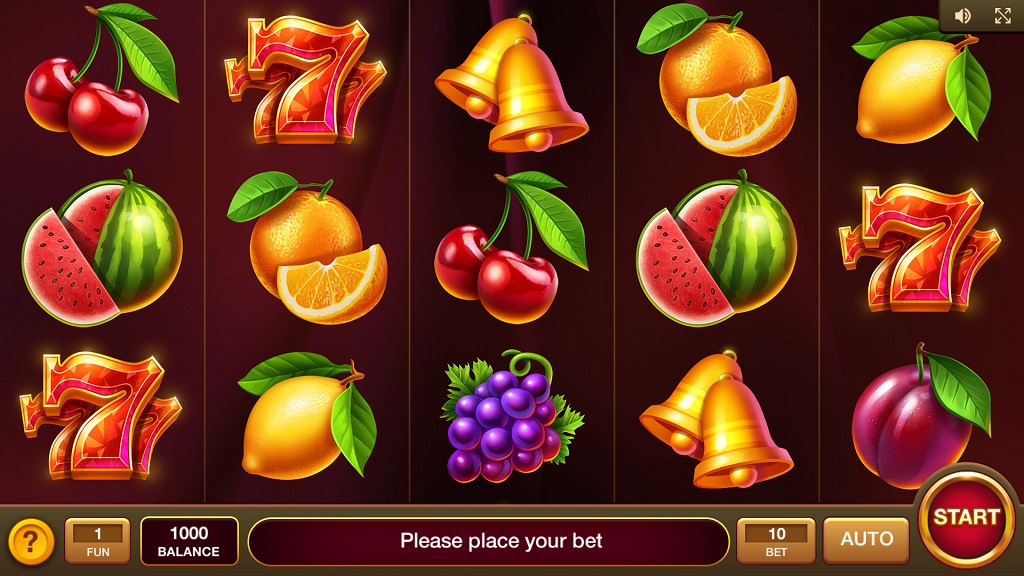
Considering Nixbet as a whole, the fairness picture is built from several concrete components. The game library sources its content from a roster of well-known studios — NetEnt, Microgaming, Play’n GO, Evolution, Pragmatic Play, and others. Each of these providers sends its games to independent testing before release, and the game files are loaded directly from the provider’s servers or through a tightly controlled platform. This means the RNG and RTP of every slot, every live roulette wheel, and every hand of blackjack is exactly what the developer built. The casino acts as a hub, not a game modifier. I’ve verified the launch of several titles, and the help files consistently display the expected RTP ranges, which is a good sign of a transparent operation.
Beyond the games themselves, Nixbet’s approach to payment processing reinforces the fairness commitment. The available methods include Visa, Mastercard, PayPal, Skrill, Neteller, and bank transfer. From my testing, e-wallet withdrawals are typically processed within a few hours once the verification is complete, while card and bank transfer payouts take between one and three business days. These are standard timeframes for a UK-focused operator, and I didn’t encounter any hidden fees that would eat into legitimate winnings. The site uses SSL encryption to protect financial data, and the verification process — while sometimes annoying — is a regulatory requirement that prevents fraud and underage gambling. A casino that treats identity checks seriously is one that is also more likely to treat game integrity seriously.
What truly sets the experience apart is the way Nixbet merges its sportsbook and casino under one roof without sacrificing the clarity of its game rules. The same account balance operates across both verticals, and the terms and conditions don’t hide critical information in fifty pages of legalese. The welcome offer, which typically includes a deposit match and a block of free spins, has its wagering requirement and maximum bet limits stated in plain English right on the promo page. As a reviewer, I find that level of openness immediately addresses the fear that bonuses are a trap. When you mix clear terms with a library of independently certified games and a licence from a respected regulator, the result is an environment where the “truth” about fairness is simple: the systems in place are built to prevent manipulation, and the information you need to verify that is easily available.
Mobile players are not provided a second-class experience, either. The adaptive website works seamlessly on iOS and Android without a separate application, and the play quality is identical to desktop. The same RNG engines, the same return-to-player percentages, and the same verification seals apply across all systems. That uniformity matters because I’ve seen platforms where the mobile version of a game looked like it behave differently, which was usually a caching issue rather than a honesty concern. At Nixbet, I deliberately played the same slot machine on a phone and a laptop, and the prize table and RTP information matched perfectly. The single advisable action I recommend is to verify the licensing footer and the developer’s certification wherever you play, just to ensure nothing has changed. Fairness isn’t a single checkbox to mark; it’s an persistent standard that a quality casino must satisfy every single day.