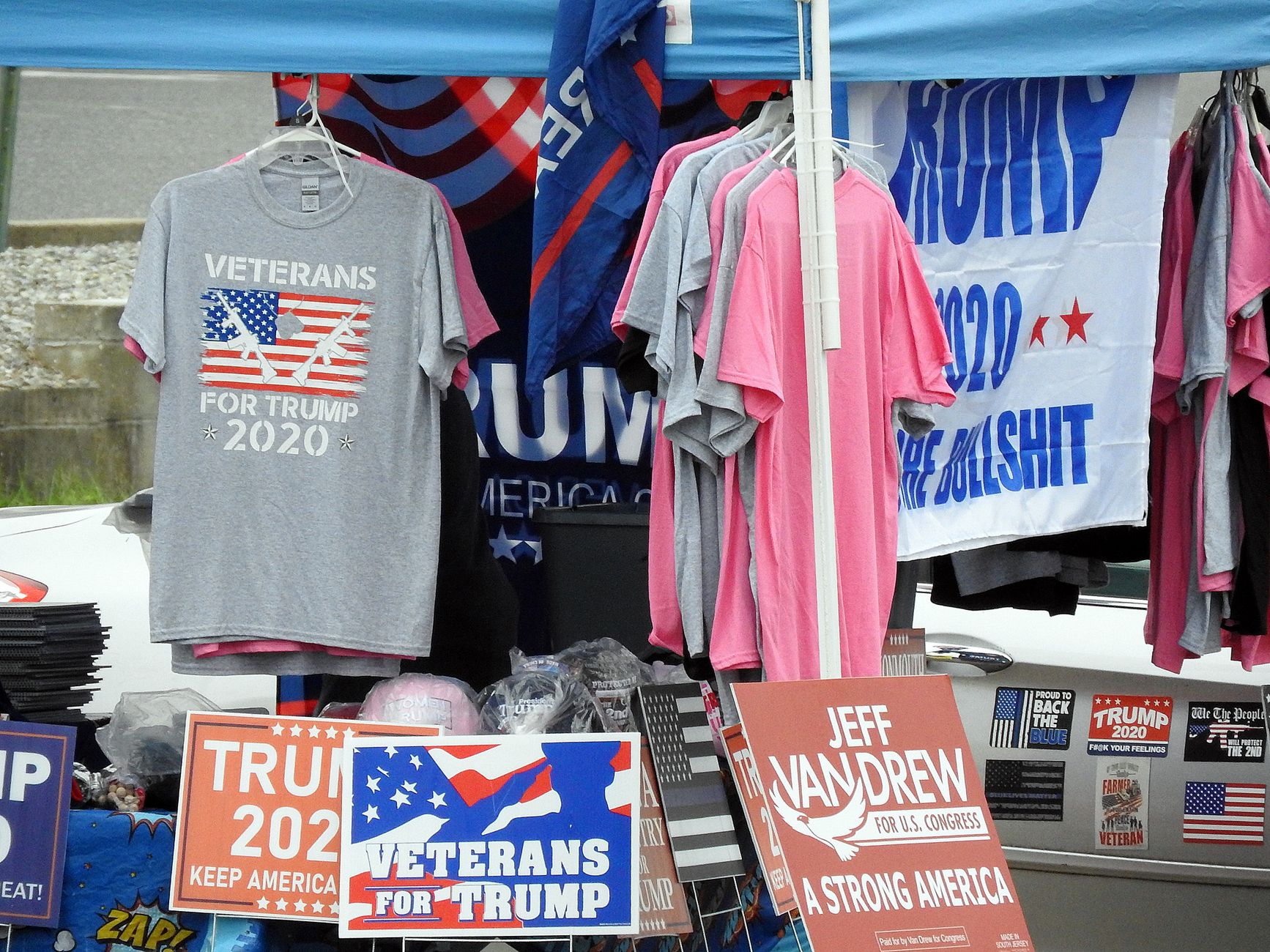
midterm headache for the GOP has reached a national record, presenting new challenges as the election season approaches. This development could significantly impact their campaign strategies and voter outreach efforts.
Understanding the Midterm Headache
The upcoming midterm elections are shaping up to be a significant challenge for the GOP, as recent polls indicate a growing discontent among voters. This trend represents a potential midterm headache for the GOP, complicating their strategy moving forward.
Several factors contribute to this mounting pressure:
- Voter Sentiment: Many voters are expressing dissatisfaction with the current political landscape, particularly regarding economic issues.
- Candidate Concerns: Some GOP candidates are struggling to connect with constituents, raising questions about their electability.
- Key Issues: Topics such as healthcare, education, and climate change are becoming increasingly prominent, with voters prioritizing solutions over partisan politics.
As the election date approaches, the GOP must navigate this complex terrain, addressing voter concerns while maintaining party unity. The stakes are high, and the implications of this midterm headache could resonate well beyond the ballot box, influencing future elections and party dynamics.
Impact on GOP Strategies
The recent unveiling of national records has intensified the midterm headache for the GOP, forcing party leaders to reevaluate their strategies as they head into the crucial election season. With voter sentiment shifting and key demographics showing increased engagement, the GOP faces a formidable challenge in securing support.
To address these concerns, party strategists are focusing on several key areas:
- Voter Outreach: Expanding efforts to connect with younger voters and minorities who have demonstrated a growing influence in recent elections.
- Policy Focus: Revisiting policies that resonate with constituents, particularly on issues such as healthcare and the economy, which are top priorities for many voters.
- Grassroots Mobilization: Enhancing local engagement through community events and volunteer initiatives to build a stronger grassroots network.
As the midterm headache for the GOP continues to unfold, adapting to these evolving dynamics will be crucial for the party’s success in the upcoming elections.
Voter Sentiment Analysis
As the midterm elections approach, a recent analysis reveals significant shifts in voter sentiment that pose a considerable midterm headache for the GOP. Polls indicate a growing discontent among key demographics that have traditionally supported the party.
Among the factors influencing voter opinions are:
- Economic Concerns: Many voters express anxiety over rising inflation and economic stability, leading to a decline in support for GOP candidates.
- Social Issues: Topics like abortion rights and gun control have polarized voters, with many feeling that GOP policies do not align with their values.
- Party Image: A perception of disunity within the GOP has emerged, causing some voters to question the party’s direction and leadership.
Furthermore, the analysis highlights that younger voters are increasingly disengaged from the GOP, contributing to a potential loss of ground in critical districts. As the election date nears, the party must address these concerns to mitigate the midterm headache that could result in significant electoral repercussions.
Historical Context of Midterm Elections
Midterm elections in the United States have often served as a barometer for the political climate, typically favoring the party not occupying the White House. In recent years, however, the dynamics have shifted, presenting a midterm headache for the GOP. Historical trends show that the party in power frequently loses seats during these elections, a phenomenon that has become even more pronounced in an era of heightened political polarization.
Key factors influencing midterm outcomes include:
- Voter Turnout: Higher turnout among specific demographics can spell trouble for the incumbents.
- Economic Conditions: Economic downturns or inflation can heavily influence voter sentiment against the ruling party.
- National Issues: Major social and political issues, such as healthcare and immigration, often dominate midterm discussions.
As historical data reveals, the GOP faces challenges in maintaining its base while appealing to undecided voters. With the upcoming midterms approaching, the party must navigate these complexities to mitigate the potential headache that could arise from a significant electoral backlash.
Future Implications for the Republican Party
The recent midterm headache for the GOP emerges as a significant concern for the party’s future, particularly as they grapple with changing voter dynamics and national sentiments. As the electoral landscape shifts, the implications of this turmoil could reverberate through upcoming elections.
Key factors that may influence the Republican Party’s trajectory include:
- Candidate Selection: The importance of choosing candidates who resonate with a broader electorate cannot be overstated. A focus on unity and appealing to moderates may be critical.
- Policy Positions: Adapting policies to address the evolving needs of constituents could help alleviate some of the party’s challenges. This includes reconsidering stances on issues like healthcare and immigration.
- Grassroots Engagement: Building a robust grassroots movement may empower local chapters and foster a deeper connection with voters, essential for addressing the midterm headache for the GOP.
Ultimately, how the Republican Party navigates these challenges will determine its relevance and effectiveness in future elections, making strategic planning essential.
Photo by Sora Shimazaki on Pexels