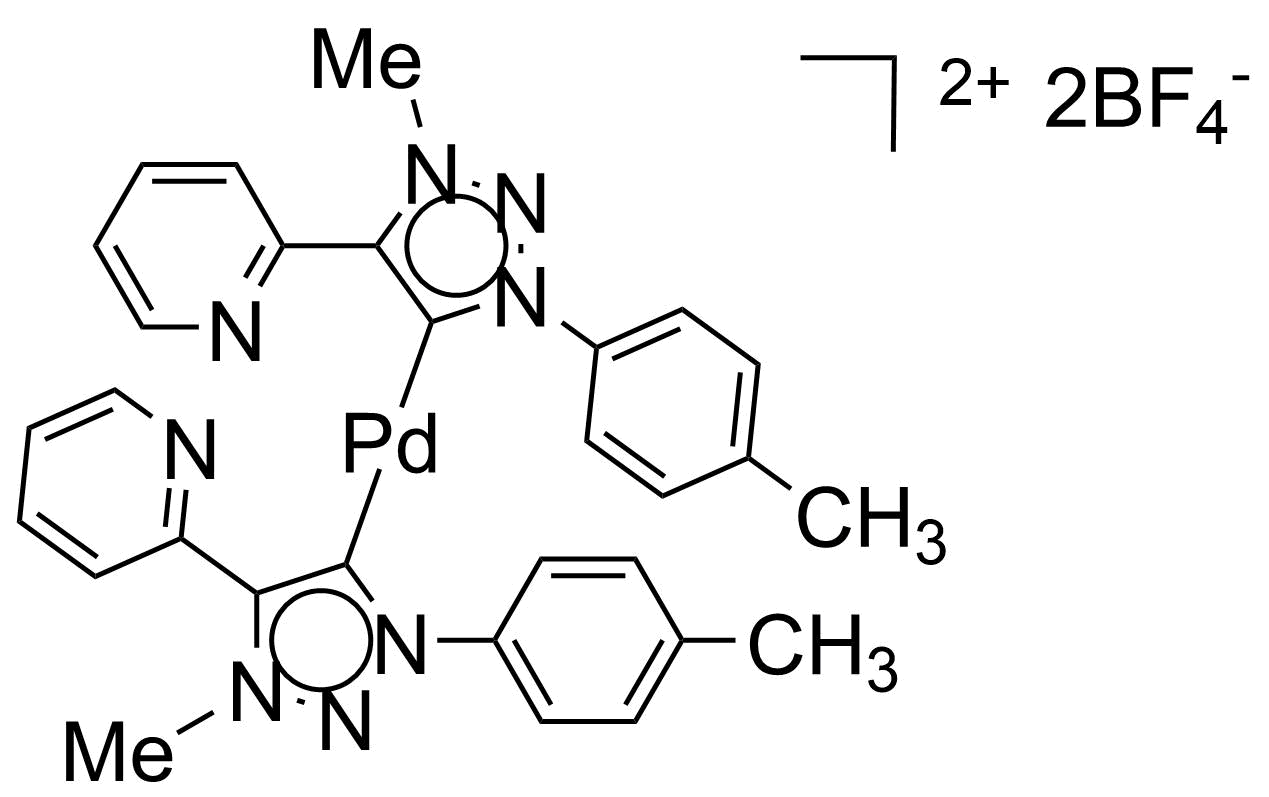
efficient catalysis is becoming a game changer in chemical processes. Recent advancements show how less metal can lead to more effective reactions, benefiting both the environment and production costs.
What is Efficient Catalysis?
Efficient catalysis refers to the process of accelerating chemical reactions while minimizing the use of metal catalysts. This approach is crucial in various industries, including pharmaceuticals and materials science, where metal usage can be costly and environmentally harmful.
By adopting innovative techniques, researchers aim to enhance the activity and selectivity of catalysts without relying heavily on metals. Some key methods include:
- Utilizing alternative materials: Employing non-metal catalysts or biomimetic systems that can perform similar functions.
- Designing efficient reaction conditions: Optimizing temperature, pressure, and solvent choices to improve reaction rates.
- Implementing nanotechnology: Using nanostructured materials that require less metal while maintaining high catalytic performance.
These strategies not only reduce the environmental impact but also lower costs, making efficient catalysis an essential focus for future advancements.
Benefits of Reducing Metal Use
The shift towards reducing metal use in catalysis presents numerous benefits that extend beyond environmental considerations. By embracing efficient catalysis, researchers and industries can achieve significant cost savings and enhance sustainability in chemical processes.
Some key advantages include:
- Cost-effectiveness: Less reliance on precious metals decreases overall production costs, making processes more economically viable.
- Environmental impact: Minimizing metal use reduces waste and lowers the ecological footprint of chemical manufacturing.
- Improved efficiency: Techniques that promote efficient catalysis often lead to faster reaction times and higher yields, optimizing resource use.
- Broader accessibility: Utilizing more abundant materials can democratize access to advanced catalytic methods, empowering smaller businesses and developing economies.
In conclusion, reducing metal use not only supports economic goals but also aligns with global sustainability efforts.
Recent Innovations in Catalysis
Recent innovations in catalysis have significantly advanced the field, focusing on methods that prioritize efficient catalysis while minimizing metal use. Researchers are exploring various strategies to enhance the performance of catalysts, ensuring they are not only effective but also sustainable.
- New Catalytic Materials: The development of novel metal-organic frameworks has shown promise in achieving high activity with reduced metal content.
- Biocatalysis: Leveraging natural enzymes for chemical reactions offers a pathway to decrease reliance on traditional metal catalysts.
- Support Innovations: Advancements in support materials can enhance catalyst efficiency, allowing for less metal without compromising performance.
These breakthroughs contribute to a more sustainable approach in chemical processes, aligning with global initiatives to reduce environmental impact while maintaining high efficiency in catalysis.
Future of Sustainable Chemistry
The future of sustainable chemistry hinges on the development of efficient catalysis methods that minimize the reliance on metals. As researchers strive to create greener processes, several promising trends are emerging:
- Biocatalysis is gaining traction, utilizing natural enzymes to achieve reactions with high specificity and efficiency.
- Nanocatalysts are being explored for their ability to enhance reaction rates while using significantly less material.
- Advancements in computer-aided design allow scientists to predict and optimize catalytic behavior, leading to more effective solutions.
- Collaboration between industries and academia is fostering innovation, driving the adoption of sustainable practices.
As these trends continue to evolve, the potential for reducing environmental impact while maintaining economic viability becomes increasingly attainable, paving the way for a more sustainable future in chemical manufacturing.
By Miha1391 via Openverse