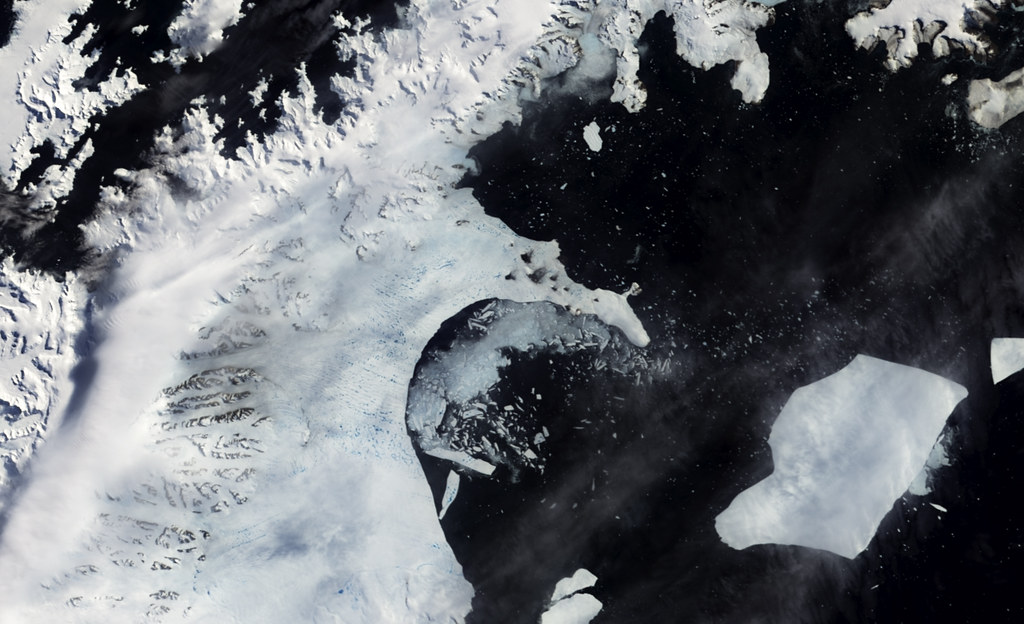
Antarctic sea ice loss is altering vital ocean layers, increasing their salinity and density. This change poses serious risks to marine ecosystems and climate patterns.
Understanding Antarctic Sea Ice Loss
Antarctic sea ice loss has significant implications for our planet’s oceans. As sea ice diminishes, it directly affects the salinity and density of the surrounding waters. The melting ice releases freshwater, which alters the delicate balance of ocean layers.
The impact of these changes is profound. Increased salinity in the upper layers of the ocean can lead to:
- Altered ocean circulation: Changes in density can disrupt established currents, affecting global climate patterns.
- Impacts on marine life: Many species rely on stable ocean conditions for survival, and shifts in salinity can threaten their habitats.
- Feedback loops: As the ocean layers change, they may contribute to further sea ice loss, creating a cycle that is difficult to reverse.
Understanding Antarctic sea ice loss is crucial for predicting future environmental changes and mitigating its effects on marine ecosystems.
Impact on Ocean Salinity
Antarctic sea ice loss has significant implications for ocean salinity, a critical factor in ocean circulation and climate regulation. As the ice melts, it releases freshwater into the surrounding ocean, altering the delicate balance of salinity levels.
Key impacts of this change include:
- Increased Salinity: The introduction of saltier water from melting sea ice can lead to shifts in marine ecosystems, affecting species distribution.
- Stratification: Altered salinity levels result in changes to the density of ocean layers, which can affect nutrient mixing and biological productivity.
- Heat Distribution: Variations in salinity influence how heat is distributed throughout the ocean, potentially impacting global climate patterns.
As these changes continue, understanding the effects of Antarctic sea ice loss on ocean salinity becomes essential for predicting future climate scenarios and their potential impacts on marine life.
Changes in Ocean Density
Recent studies have highlighted how Antarctic sea ice loss is altering ocean density. As the ice melts, it releases freshwater into the surrounding waters, impacting the overall density of the ocean layers. This influx of freshwater decreases the salinity, which in turn leads to significant changes in the stratification of ocean layers.
One of the primary effects of this altered density is the deepening of the ocean layers, which can disrupt marine ecosystems. The stratification influences how nutrients are distributed in the water column, affecting phytoplankton growth and, consequently, the entire food web.
Moreover, as warmer water masses from the surface mix with deeper, colder layers, it can create feedback loops that exacerbate climate change. Understanding these changes in ocean density is crucial for predicting future impacts on marine life and global climate patterns.
In summary, the consequences of Antarctic sea ice loss extend far beyond the ice itself, affecting fundamental ocean characteristics.
Effects on Marine Life
The ongoing Antarctic sea ice loss is having profound effects on marine life, disrupting ecosystems that rely on stable conditions. As the sea ice diminishes, the habitats of various species are altered, leading to shifts in food availability and breeding grounds.
Some of the key impacts include:
- Displacement of Species: Many marine animals, such as seals and penguins, depend on ice-covered areas for hunting and nesting. The loss of ice forces them to relocate, often into less suitable environments.
- Changes in Food Webs: Phytoplankton, which thrive in cold, nutrient-rich waters, may decline due to changes in temperature and salinity caused by Antarctic sea ice loss. This can lead to decreased food sources for fish and other marine organisms.
- Impact on Fisheries: As fish populations shift, commercial fisheries may face challenges in maintaining sustainable catches, affecting local economies and food security.
Overall, the repercussions of Antarctic sea ice loss extend far beyond the ice itself, threatening the delicate balance of marine ecosystems.
Climate Change and Ice Melt
Climate change has accelerated the phenomenon of Antarctic sea ice loss, which is fundamentally altering ocean layers. As ice melts, the influx of freshwater is causing significant changes in the salinity of ocean waters. This shift in salinity impacts the overall density of seawater, resulting in a stratified ocean layer that affects marine ecosystems.
The consequences of this ice melt extend beyond salinity and density. The alteration of ocean circulation patterns can disrupt the distribution of nutrients and influence weather patterns globally. Scientists are particularly concerned about how these changes might affect marine species that rely on stable conditions for breeding and feeding.
Furthermore, the deeper layers of the ocean are becoming increasingly saltier and denser, creating challenges for marine organisms. Understanding the implications of Antarctic sea ice loss is crucial for predicting future ecological shifts and managing marine resources effectively.
Future Projections for Sea Ice
Future projections for Antarctic sea ice loss indicate significant changes in ocean dynamics that could have severe implications for marine ecosystems. Scientists predict that if current trends continue, the extent and thickness of sea ice may decrease by up to 50% by mid-century. This reduction is expected to affect various ocean layers, particularly the upper layers, which play a crucial role in regulating temperature and salinity.
Moreover, the ongoing loss of sea ice could lead to further stratification of the ocean, making it harder for nutrient-rich waters to rise and support marine life. As a result, species that rely on specific temperature and salinity ranges may face habitat loss and declining populations. The consequences of Antarctic sea ice loss extend beyond local ecosystems, influencing global ocean currents and climate patterns. Researchers emphasize the urgent need for comprehensive climate action to mitigate these changes and protect vulnerable marine habitats.
Research and Findings
Recent research highlights the profound changes resulting from Antarctic sea ice loss, particularly its effects on ocean layers. Scientists have observed that the melting ice contributes significantly to increasing salinity levels in surrounding waters, affecting not only local ecosystems but also global ocean circulation patterns.
One key finding indicates that the density of ocean water is altering, as the influx of freshwater from melting ice modifies the typical stratification. This change can disrupt the usual flow of nutrients and heat throughout the ocean, impacting marine biodiversity.
Additionally, these transformations may lead to deeper ocean layers, which can further complicate the dynamics of climate regulation. Experts emphasize the urgency of understanding these effects, as the long-term consequences of Antarctic sea ice loss could have far-reaching implications for both marine life and human activities dependent on healthy ocean systems.
Global Implications of Ice Loss
The global implications of Antarctic sea ice loss extend far beyond the icy continent itself. As the ice melts, it influences ocean circulation patterns, which are crucial for regulating the Earth’s climate. The increase in freshwater from melting ice disrupts the delicate balance of salt and temperature in the oceans.
This disruption can lead to significant changes in marine ecosystems, affecting species migration patterns and food availability. Additionally, the altered density of ocean layers can impact weather patterns, potentially leading to more extreme weather events globally.
Furthermore, the changes in ocean salinity and density can also influence the uptake of carbon dioxide, impacting global warming rates. Scientists are increasingly concerned that the cascading effects of Antarctic sea ice loss might push the planet toward irreversible climate changes.
Addressing these issues is crucial as the world grapples with the broader consequences of a warming climate.
By NASA Goddard Photo and Video via Openverse
References
Legal refugee resettlement routes: Clear path to safety · Omar Abdullah Marriage News: The Real Story Behind the Union · Casino mit Handyrechnung – Übersicht der besten Anbieter in Österreich