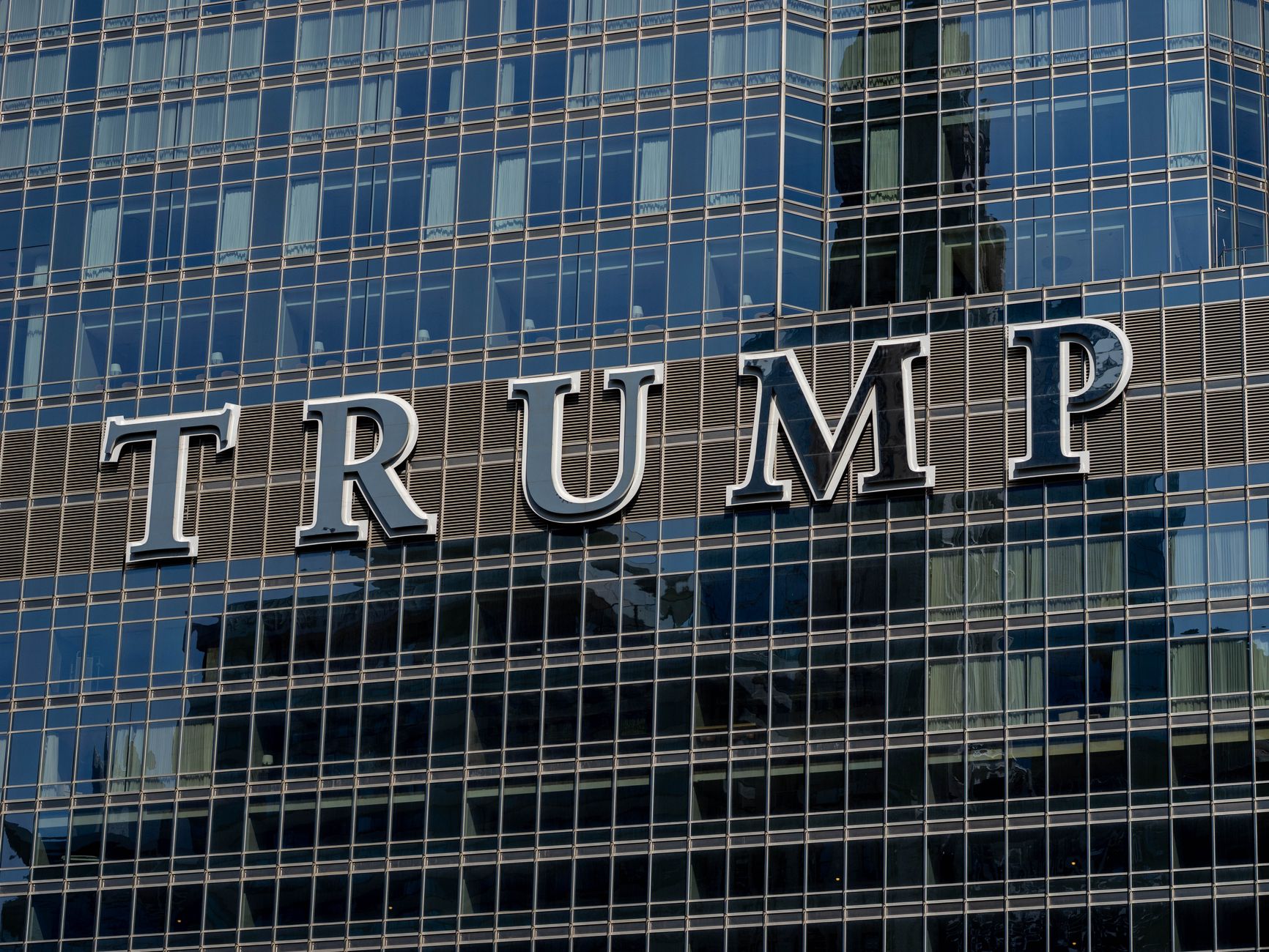
US midterm elections 2026 are set to be pivotal as Americans vote to determine control of Congress. With Trump in the spotlight, the stakes are high.
Overview of the 2026 Midterm Elections
The US midterm elections 2026 are set to be a pivotal moment in determining the balance of power in Congress. As Americans prepare to cast their votes, the political landscape is charged with anticipation and uncertainty. With key issues at stake, including the economy, healthcare, and immigration, voters will have the opportunity to voice their opinions on the current administration’s policies.
This election cycle is particularly significant as former President Donald Trump faces what many are calling a referendum on his impact and influence within the Republican Party. Many candidates are aligning themselves with or distancing from Trump’s legacy, which adds another layer of complexity to the races.
The upcoming elections will feature:
- All 435 seats in the House of Representatives
- Approximately one-third of the Senate seats
- Numerous gubernatorial and state legislative positions
As campaign strategies unfold, both major parties are mobilizing their bases to ensure a strong turnout. The stakes are high, and the outcomes could reshape the U.S. political landscape for years to come. Observers are closely watching how various factors, including voter sentiment and national issues, will ultimately influence the US midterm elections 2026 and the future of Congress.
Trump’s Role in the Upcoming Vote
The upcoming US midterm elections 2026 are poised to be significantly influenced by former President Donald Trump. As the Republican Party continues to rally behind him, his presence in the political landscape serves as both a catalyst for voter mobilization and a polarizing figure among the electorate.
Trump’s endorsement of candidates in key battleground states has already begun to shape primary races. His ability to energize the base may play a crucial role in determining which candidates emerge victorious, ultimately affecting the broader campaign strategies leading up to the midterms. Political analysts suggest that his endorsement could either bolster candidates’ chances or create vulnerabilities, depending on how closely they align themselves with his controversial policies.
Moreover, many voters view the 2026 midterms as a referendum on Trump’s presidency. The sentiments surrounding his administration’s legacy are likely to influence voter turnout, as both supporters and opponents mobilize to voice their opinions on issues such as the economy, immigration, and healthcare.
As the elections approach, the impact of Trump’s political strategies will be closely monitored. His ability to sway undecided voters and energize both loyalists and detractors will undoubtedly play a pivotal role in shaping the future balance of power in Congress.
Key Issues Influencing Voter Decisions
As the US midterm elections 2026 approach, several key issues are shaping voter decisions across the nation. Understanding these factors is crucial for predicting the outcome and potential shifts in congressional control.
- Economic Concerns: With inflation rates affecting everyday life, voters are increasingly focused on economic stability. Many are seeking candidates who prioritize fiscal responsibility and job creation.
- Healthcare Access: Access to affordable healthcare remains a top priority for many Americans. Candidates proposing comprehensive healthcare reform could sway undecided voters.
- Climate Change: Environmental issues are gaining traction, particularly among younger voters. Candidates who advocate for sustainable policies may find increased support.
- Social Justice: Racial and social equity continue to be significant topics. Voters are looking for leaders who demonstrate a commitment to addressing systemic inequalities.
- Education Reform: The quality and accessibility of education are vital concerns for families. Proposals for improving public education systems can resonate with a broad demographic.
These factors, along with the ongoing influence of prominent political figures, will play a pivotal role in shaping the narrative leading up to the US midterm elections 2026. Voter sentiment on these issues may ultimately decide the fate of Congress and the direction of national policy.
Historical Context of Midterm Elections
The historical context of midterm elections in the United States reveals a pattern of shifts in Congressional control that often reflects the prevailing political climate. Traditionally, the party that holds the presidency tends to lose seats in Congress during midterm elections, a trend observed in several past elections.
For instance, during the 2010 midterms, President Barack Obama’s Democratic Party lost a significant number of seats, resulting in the Republican Party gaining control of the House of Representatives. Similarly, the 2018 midterms saw the Democrats reclaim the House after significant losses for the Republicans, directly linked to public sentiment regarding Trump’s presidency. As the US midterm elections 2026 approaches, these historical patterns may come into play once again.
Furthermore, voter turnout is often higher in midterm elections when there are pressing issues at stake, such as economic conditions, healthcare, and immigration policy. This upcoming election is expected to be no different, with many voters motivated by their opinions on Trump’s influence and the direction of the country.
As the election date draws near, analysts will closely monitor how these historical trends and current political dynamics will shape the outcome, potentially altering the balance of power in Congress and influencing future policies.
Predictions for Congress Control
As the US midterm elections 2026 approach, analysts are making predictions about the control of Congress. With various factors at play, including economic conditions, voter sentiment, and key issues, the outcome remains uncertain.
Recent polling indicates that voter enthusiasm is high, particularly among younger demographics who feel strongly about topics like climate change and social justice. Conversely, traditional voter bases are also mobilizing, motivated by concerns over inflation and national security. This dichotomy could significantly influence which party gains a majority in Congress.
- Party Dynamics: The Republican Party aims to maintain its grip on the House, while the Democrats are focused on reclaiming the Senate.
- Influence of Trump: Former President Trump’s continued involvement may energize his supporters but could alienate moderate voters.
- Key Issues: Healthcare, the economy, and immigration are expected to be pivotal in swaying undecided voters.
Political strategists emphasize the importance of grassroots campaigns, which may play a crucial role in determining outcomes in swing states. The combination of local issues and national trends could lead to a shift in Congressional power, making the US midterm elections 2026 a critical moment in shaping future legislation.
Voter Turnout Trends
Voter turnout trends for the US midterm elections 2026 are shaping up to be a crucial factor in determining the control of Congress. Historical data shows that midterm elections typically attract fewer voters than presidential elections, but recent developments indicate a potential shift in this pattern.
Several factors may influence turnout in 2026:
- Public Engagement: Heightened political awareness and engagement, particularly among younger voters, could lead to increased participation.
- Key Issues: Topics such as healthcare, climate change, and economic stability are resonating with the electorate, prompting voters to make their voices heard.
- Candidate Appeal: The presence of prominent candidates, including those with strong party backing and significant media presence, may mobilize voters who feel passionately about their platforms.
Moreover, voting accessibility initiatives, including early voting and mail-in ballots, are likely to play a role in encouraging turnout. As voters prepare for the US midterm elections 2026, understanding these trends will be essential for both parties as they strategize to capture the attention and support of the electorate.
Ultimately, the level of voter turnout will not only influence the immediate results but also set the tone for future elections, reflecting the evolving priorities of the American public.
Impact of Social Media on Elections
The impact of social media on the US midterm elections 2026 is becoming increasingly significant as platforms evolve and new technologies emerge. With millions of Americans using social media daily, candidates and political organizations are leveraging these platforms to connect with voters, disseminate information, and shape public opinion.
One of the key advantages of social media is its ability to reach a wide audience quickly. Candidates can share their messages, campaign events, and policy positions instantaneously, allowing for real-time engagement with potential voters. This immediacy can amplify their presence and influence among constituents.
However, the use of social media also presents challenges. Misinformation and disinformation campaigns have become common, complicating the voter decision-making process. Many Americans may encounter misleading narratives that could sway their opinions or create confusion regarding candidates’ platforms.
Additionally, the algorithms employed by social media platforms can create echo chambers, where users are predominantly exposed to viewpoints that reinforce their existing beliefs. This phenomenon can lead to polarization, making it more difficult for candidates to appeal to a broad spectrum of voters.
As the US midterm elections 2026 approach, candidates must navigate these complexities, ensuring their messages are authentic and resonate with a diverse electorate, while also addressing the risks posed by misinformation in the digital landscape.
The US midterm elections 2026 are poised to reshape the political landscape, influencing key legislative agendas. As both parties strategize for this pivotal moment, the outcomes of the US midterm elections 2026 could determine control of Congress for the next two years.
Where this came from
India Today · US midterm elections 2006
You might also like
Aeeris Shares Sliding: The Worst Market Reaction Explained · India Farm Exports: The Best Proven Strategies for Growth · Chili’s margaritas: The Worst Mistake with a Proven Risk?