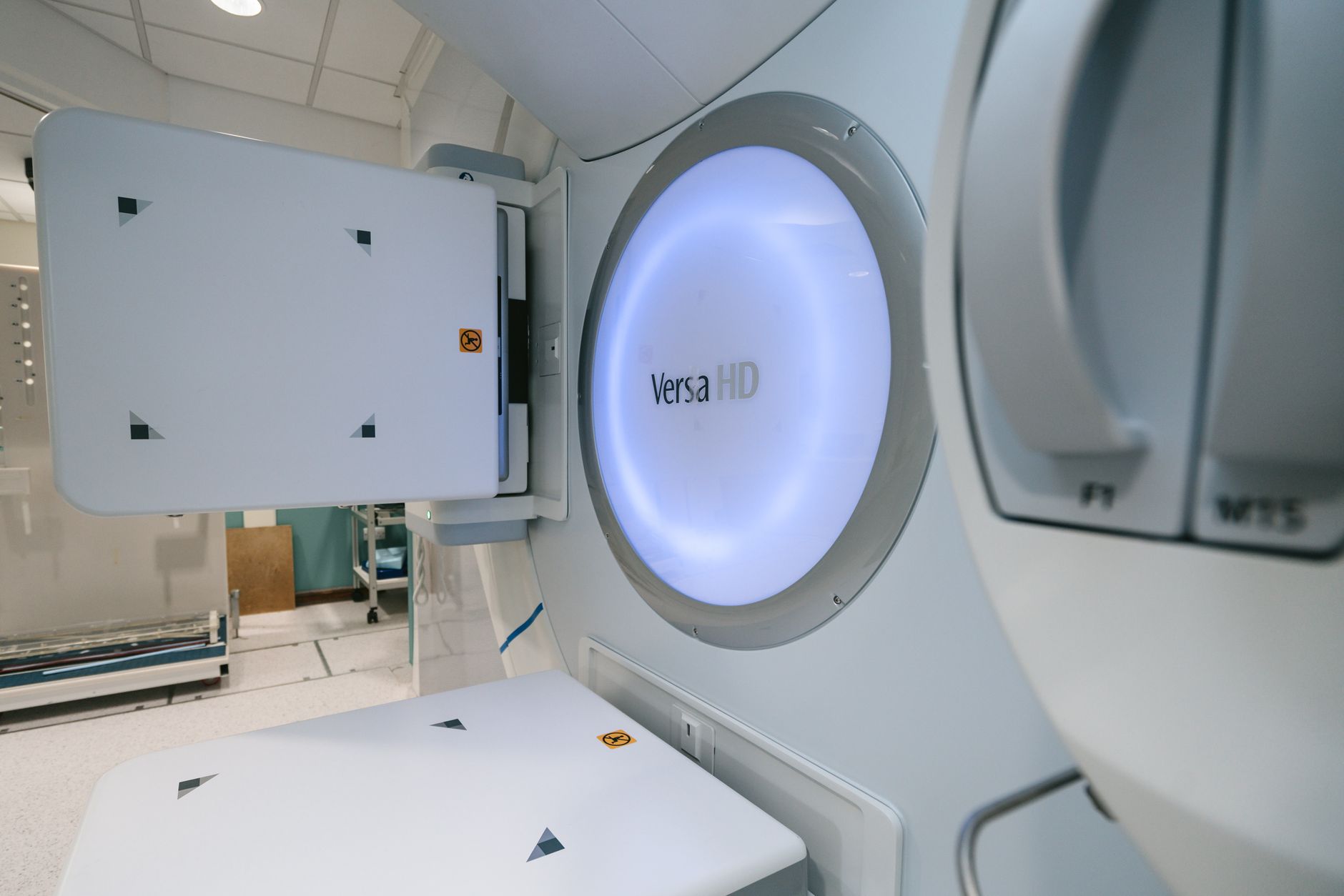
Proton therapy for cancer is emerging as a promising treatment option in Assam, particularly for children. This innovative therapy could provide new hope for young patients battling cancer.
What is Proton Therapy?
Proton therapy is an advanced form of radiation treatment that uses protons to target and destroy cancer cells. Unlike conventional X-ray radiation therapy, which can affect surrounding healthy tissues, proton therapy for cancer precisely delivers high doses of radiation directly to the tumor. This precision minimizes damage to adjacent organs and reduces side effects.
This treatment is particularly beneficial for children, whose developing bodies are more sensitive to radiation. By focusing on the tumor while sparing healthy tissue, proton therapy can improve long-term outcomes for young patients. Additionally, it can be used for a variety of cancers, including brain tumors, spinal tumors, and certain head and neck cancers.
- Minimizes damage to healthy tissues
- Suitable for various cancer types
- Offers promising outcomes for pediatric patients
Benefits of Proton Therapy for Children
Proton therapy for cancer offers several advantages, particularly for pediatric patients. This advanced treatment technique uses protons rather than traditional X-rays, allowing for more precise targeting of tumors while sparing healthy tissue. The benefits for children include:
- Reduced Side Effects: Proton therapy minimizes damage to surrounding organs, which is crucial for developing bodies.
- Lower Risk of Secondary Cancers: Children treated with proton therapy have a decreased likelihood of developing secondary cancers later in life.
- Improved Quality of Life: The precision of proton therapy often results in fewer hospital visits and quicker recovery periods.
- Customized Treatment Plans: Each child’s treatment can be tailored to their unique needs, enhancing overall effectiveness.
As proton therapy for cancer becomes more accessible, its potential to improve outcomes for young patients is becoming increasingly evident.
How Does Proton Therapy Work?
Proton therapy for cancer utilizes protons, which are positively charged particles, to deliver targeted radiation to tumors. This method is distinct from traditional X-ray radiation therapy, as it allows for precise dose distribution, minimizing damage to surrounding healthy tissues.
During treatment, a proton accelerator generates high-energy protons that are directed toward the tumor. The protons release their energy at a specific depth, known as the Bragg peak, which is typically at the tumor site. This feature enables clinicians to tailor the treatment to maximize efficacy while reducing potential side effects.
Proton therapy is particularly beneficial for treating cancers located near critical structures, making it an attractive option for pediatric patients where preserving healthy tissue is crucial. As advancements continue, the accessibility of proton therapy for cancer is expanding, with new facilities emerging globally.
Current Cancer Treatment Options
In the fight against cancer, several treatment options are currently available to patients. Each method has its unique benefits and drawbacks, shaping the decisions made by healthcare providers and patients alike.
Common cancer treatment options include:
- Surgery: Often used to remove tumors from the body, surgery is a traditional approach but may not be suitable for all cancer types.
- Chemotherapy: This treatment uses drugs to kill cancer cells but may also affect healthy cells, leading to side effects.
- Radiation Therapy: Conventional radiation targets cancer cells but can damage surrounding tissues.
- Proton Therapy for Cancer: An advanced form of radiation therapy that utilizes protons to precisely target tumors, minimizing harm to healthy tissue.
As research progresses, proton therapy for cancer is emerging as a promising alternative, particularly for pediatric patients.
Why Assam is Getting Proton Therapy
Assam is poised to become a hub for advanced cancer treatments with the introduction of proton therapy for cancer. This innovative treatment option offers several advantages, particularly for the region’s growing population of young cancer patients.
One of the primary reasons for this development is the increasing incidence of cancer among children in Assam. Traditional therapies often involve significant side effects, making proton therapy a more appealing option due to its precision.
Furthermore, the establishment of proton therapy facilities will not only enhance local healthcare capabilities but also reduce the need for families to travel far for specialized care.
By investing in proton therapy, Assam aims to improve treatment outcomes and provide hope to countless families grappling with the challenges of cancer.
- Enhanced precision in targeting tumors
- Reduced side effects compared to traditional therapies
- Increased access to advanced treatment options
Expert Opinions on Proton Therapy
Experts in oncology have expressed varied opinions on the effectiveness of proton therapy for cancer treatment. Dr. Anjali Sharma, a leading oncologist, emphasizes that proton therapy minimizes damage to surrounding healthy tissues, making it especially beneficial for pediatric patients. She notes, “In young children, where every ounce of healthy tissue matters, proton therapy can significantly reduce long-term side effects.”
On the other hand, Dr. Rajeev Kumar, a radiation oncologist, points out that while proton therapy for cancer shows promise, it is essential to consider the specific type and stage of cancer. “Not all patients will benefit equally, and traditional therapies still have their place in treatment plans,” he states.
Ultimately, the decision to use proton therapy should be made collaboratively between patients and their medical team, ensuring that the best possible option is chosen.
Future of Cancer Treatment in India
The future of cancer treatment in India is poised for transformation, particularly with the introduction of proton therapy for cancer. This advanced treatment modality offers precision in targeting tumors while sparing surrounding healthy tissues, making it a promising option for patients, especially children.
As more facilities begin to incorporate proton therapy, there is hope for improved outcomes and reduced side effects associated with traditional treatments. The establishment of centers in states like Assam is a significant step forward, providing access to cutting-edge technology for patients who previously had limited options.
Experts suggest that with increased awareness and investment in proton therapy, India could emerge as a hub for advanced cancer treatment, attracting patients from across the region seeking effective and innovative solutions.
In conclusion, the integration of proton therapy into India’s healthcare system could herald a new era in cancer treatment, offering hope to many affected by this disease.
Photo by Jo McNamara on Pexels
