India Pakistan tensions are at the forefront as India summons Pakistan’s top diplomat in New Delhi, signaling rising bilateral disputes.
Background of India Pakistan Relations
The relationship between India and Pakistan has been marked by a complex history that encompasses territorial disputes, political disagreements, and historical grievances. Over the decades, these India Pakistan tensions have often escalated into significant diplomatic confrontations.
Recent developments have seen India summoning Pakistan’s top diplomat in New Delhi, a move indicative of the ongoing strains in bilateral relations. This incident highlights the persistent challenges both nations face in fostering a peaceful coexistence.
- Historical conflicts: The partition of British India in 1947 laid the foundation for enduring animosity.
- Territorial disputes: The Kashmir region remains a flashpoint for military and political confrontations.
- Political dynamics: Nationalist sentiments on both sides often fuel hostilities.
These factors contribute to a fragile relationship that continues to affect regional stability.
Recent Diplomatic Developments
In recent weeks, the India Pakistan tensions have escalated, prompting a series of diplomatic exchanges between the two nations. On several occasions, India summoned Pakistan’s top diplomat in New Delhi to address ongoing concerns over security and cross-border activities. These meetings have focused on:
- Border Security: India has raised issues regarding infiltration and ceasefire violations along the Line of Control.
- Counterterrorism: Discussions have highlighted India’s insistence on Pakistan taking stronger actions against terrorist groups operating from its soil.
- Trade Relations: Economic dialogues have been stifled, with both sides expressing frustration over stalled initiatives.
The diplomatic landscape remains tense, with experts warning that these developments could further strain bilateral relations in the foreseeable future.
Impact on Regional Stability
The ongoing India Pakistan tensions continue to significantly affect regional stability in South Asia. As both nations remain embroiled in disputes, the potential for conflict escalates, posing risks not only to their own security but also to neighboring countries. The repercussions of heightened tensions include:
- Increased military presence: Both countries are likely to bolster their military capabilities along the borders.
- Impact on economic cooperation: Trade and investment opportunities may dwindle as hostilities rise.
- Challenges to peace initiatives: Any diplomatic efforts aimed at fostering peace are hindered by the prevailing animosity.
Ultimately, the protracted discord hampers efforts to achieve lasting stability in the region, leaving citizens on both sides to bear the brunt of political strife.
Public Reactions to the Tensions
Public reactions to the ongoing India Pakistan tensions are varied and deeply felt across both nations. In India, many citizens express concerns over national security and advocate for stronger measures against perceived threats. Social media platforms are flooded with opinions, ranging from calls for peace to demands for a more aggressive stance against Pakistan.
Conversely, in Pakistan, there is a strong sentiment of solidarity among the populace, with many emphasizing the need for dialogue and diplomacy. Activists and political leaders often highlight the importance of addressing grievances through peaceful means rather than escalating conflicts.
Both nations have seen protests, with citizens urging their governments to prioritize stability and cooperation. As these tensions continue to affect daily life, the hope for a peaceful resolution remains a common thread among the public.
Expert Opinions on Bilateral Relations
Experts weigh in on the escalating India Pakistan tensions, highlighting the complexities of bilateral relations. According to Dr. Ayesha Khan, a political analyst, “The recent summoning of Pakistan’s top diplomat indicates a serious diplomatic rift that could hinder future negotiations.”
Furthermore, Professor Rajesh Mehta emphasizes the need for dialogue, stating, “Without open communication, misunderstandings will only grow, exacerbating the already strained relations.”
Policy advisor Fatima Noor notes that “the international community is closely monitoring these developments, as they significantly impact regional security.” She adds that both nations must prioritize peaceful conflict resolution to avoid escalation.
As discussions continue, experts agree that the way forward hinges on mutual understanding and respect, which are crucial for a sustainable and peaceful relationship.
Future Prospects for Peace
The future of peace between India and Pakistan remains uncertain as tensions continue to escalate. Both nations face significant challenges in addressing their longstanding disputes, particularly over Kashmir. India Pakistan tensions have historically hindered diplomatic efforts, leading to a cycle of mistrust and conflict.
However, there are some hopeful signs for the future. Recent backchannel communications suggest that both governments are open to dialogue, albeit cautiously. Experts propose that focusing on economic cooperation could pave the way for improved relations. Initiatives such as trade agreements and cultural exchanges may help build trust and foster understanding.
Moreover, international stakeholders are increasingly advocating for peaceful resolutions, emphasizing the importance of stability in South Asia. As both countries navigate their complex relationship, the potential for a more peaceful future hinges on their willingness to engage in constructive dialogue.
The ongoing India Pakistan tensions have significantly influenced trade relations between the two countries. As both nations navigate their diplomatic challenges, the India Pakistan tensions continue to shape public sentiment and policy decisions.
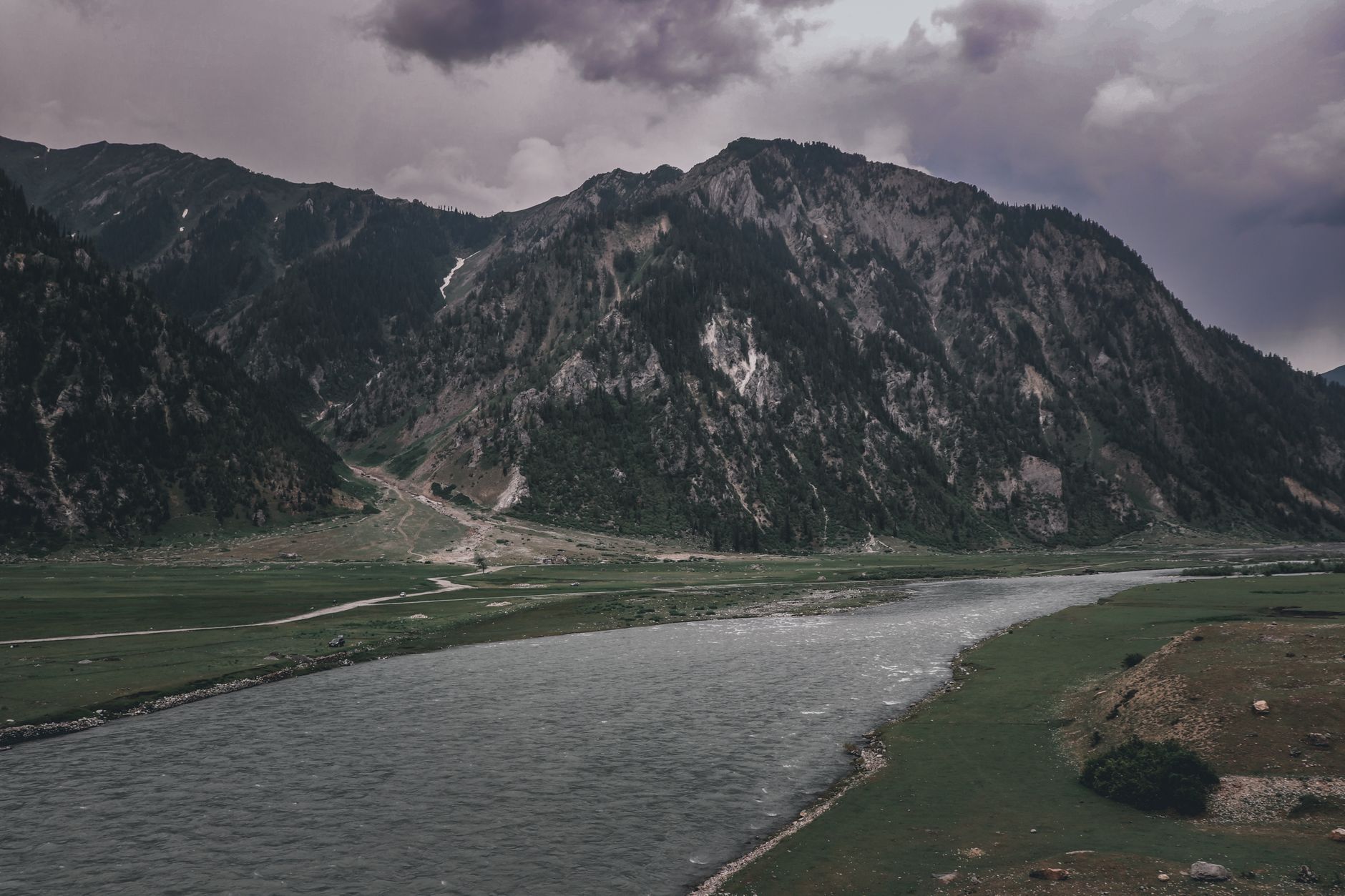
Photo by Tauseef Khaliq on Pexels