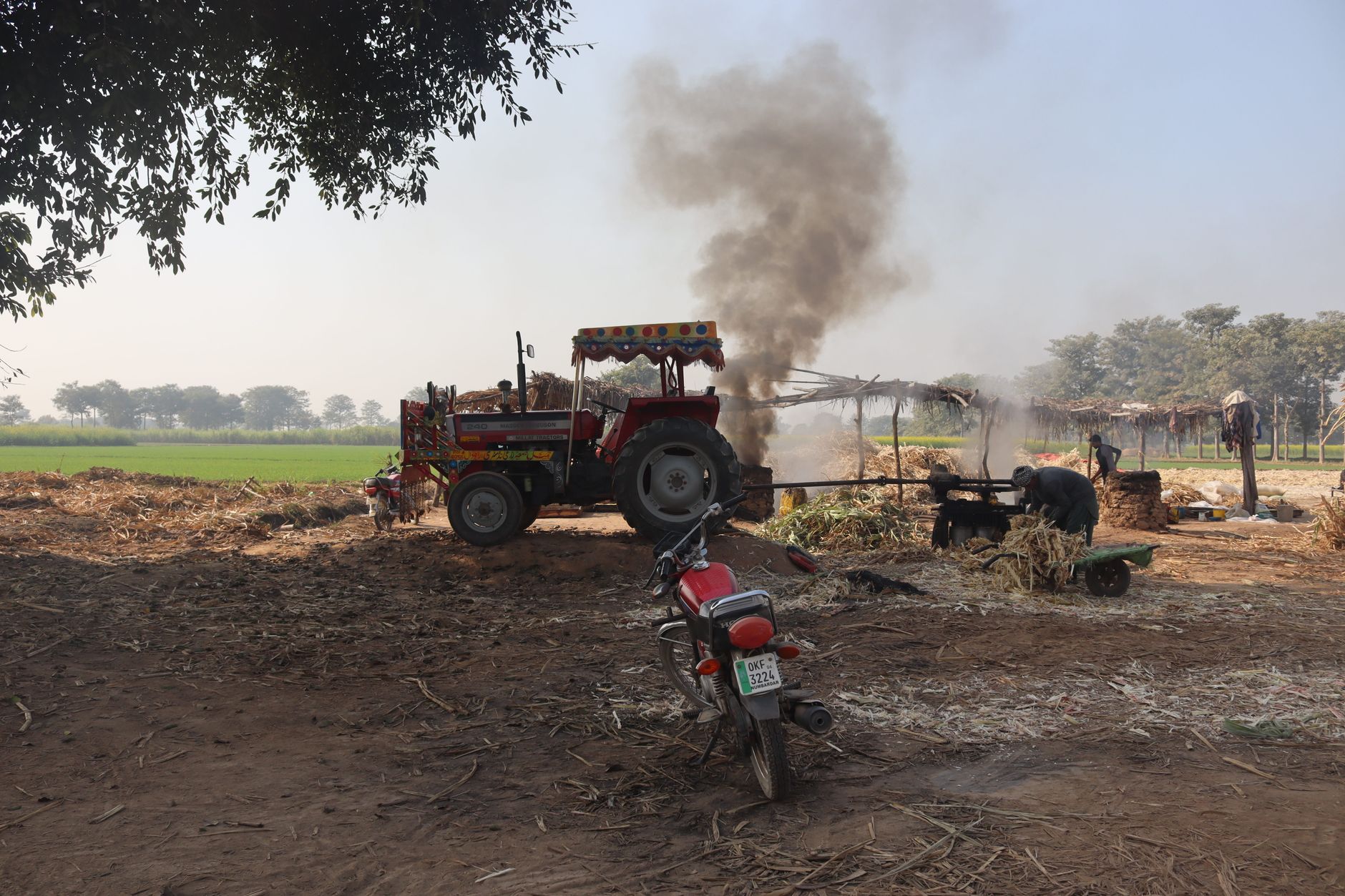
Farm fires in Punjab have become a significant issue, with recent reports indicating 4,500 incidents. This alarming number has drawn attention from various stakeholders, including NASA scientists.
Understanding the Causes of Farm Fires
Farm fires in Punjab have become a pressing issue, with recent reports indicating a staggering 4,500 incidents. Understanding the causes of these fires is crucial for addressing the problem effectively. Several factors contribute to the alarming rise in farm fires, including:
- Paddy Stubble Burning: After the harvest season, farmers often resort to burning paddy stubble to clear their fields quickly, leading to uncontrolled fires.
- Weather Conditions: Dry weather, coupled with high temperatures and strong winds, creates an environment conducive to the rapid spread of fires.
- Economic Pressures: With rising costs and limited resources, many farmers prioritize quick land preparation over environmental concerns.
- Lack of Awareness: Insufficient knowledge about alternative methods for managing crop residue can lead farmers to rely on burning.
As highlighted by a NASA scientist, the actual number of farm fires may be even higher, with estimates reaching up to 34,000. Addressing these underlying causes is essential for sustainable agricultural practices in Punjab.
Impact of Farm Fires on Air Quality
The recent surge in farm fires in Punjab has raised significant concerns regarding air quality in the region. With over 4,500 incidents reported, the impact on the environment is becoming increasingly evident.
Farm fires contribute to a rise in particulate matter and other pollutants, which can have severe health implications for the local population. Key effects include:
- Increased respiratory issues: The smoke from farm fires can exacerbate conditions such as asthma and bronchitis.
- Visibility concerns: Smoke and haze can reduce visibility on roads, increasing the risk of accidents.
- Long-term health effects: Prolonged exposure to poor air quality can lead to chronic health problems, affecting overall community well-being.
The situation is compounded by seasonal wind patterns that carry smoke from these farm fires over vast areas, impacting neighboring regions as well. Efforts to mitigate these fires are essential not only for agricultural productivity but also for safeguarding public health and the environment.
Government Response to Farm Fires
The government has taken significant steps in response to the rising number of farm fires in Punjab. Officials have emphasized the need for immediate action to address environmental concerns and public health risks associated with these fires. In light of the alarming reports, including a count of 4,500 farm fires, the government is implementing a multi-faceted approach to mitigate the situation.
Key measures include:
- Awareness Campaigns: Authorities are launching campaigns to educate farmers about the adverse effects of stubble burning and promoting alternative methods for crop residue management.
- Financial Incentives: The government is offering subsidies for machinery that helps in the proper disposal of crop waste, aiming to reduce reliance on burning.
- Monitoring Systems: Enhanced satellite monitoring will help track incidents of farm fires more effectively, allowing for timely intervention.
These proactive initiatives reflect a commitment to combating the issue of farm fires in Punjab while balancing agricultural practices with environmental sustainability.
Role of NASA in Monitoring Fires
NASA has taken a proactive role in monitoring the alarming number of farm fires in Punjab, providing crucial data that helps authorities understand the scope of the issue. Recently, NASA’s satellite imaging technology revealed an estimated 34,000 active fire counts in the region, significantly higher than the 4,500 reported by local sources. This discrepancy raises concerns about the effectiveness of reporting methods and the true extent of the farm fires in Punjab.
The satellite data allows scientists and policymakers to track fire patterns and their impact on air quality more effectively. By analyzing this information, researchers can identify hotspots and trends related to agricultural practices that lead to these fires.
- NASA’s Earth Observing System satellites provide real-time monitoring of fire incidents.
- Data from these satellites assists in evaluating the environmental repercussions of the fires.
- Collaboration with local governments enhances the response strategies to mitigate farm fires in Punjab.
Overall, NASA’s involvement serves as a vital resource in combating the challenges posed by farm fires in Punjab.
Farmers’ Perspectives on Burning
Farmers in Punjab are expressing deep concern over the recent surge in farm fires, with reports indicating that around 4,500 incidents have been documented. Many farmers believe that the practice of burning crop residue is a necessary evil, primarily due to the lack of affordable alternatives for disposal.
One farmer, Gurdeep Singh, stated, “We are caught between the need to clear our fields quickly and the penalties for burning. The government must provide better solutions.” Others echo similar sentiments, emphasizing the financial burden of adopting environmentally friendly practices.
Moreover, some farmers argue that the timing of the harvest and the onset of winter make it difficult to manage crop waste responsibly. Amrit Kaur, another local farmer, noted, “The cost of machinery to manage stubble is too high. We need support to reduce farm fires in Punjab and protect our health.”
The situation highlights the urgent need for effective policies and support systems that can mitigate the reliance on burning while promoting sustainable farming practices.
Long-term Solutions to Reduce Fires
As the alarming rate of farm fires in Punjab continues to rise, experts emphasize the need for long-term solutions to mitigate this environmental crisis. Addressing the root causes is essential to prevent the recurrence of these incidents.
Some proposed strategies include:
- Adopting Sustainable Agricultural Practices: Implementing crop rotation and diversifying crop types can reduce the reliance on stubble burning.
- Investment in Technology: Providing farmers with access to modern machinery for residue management can significantly decrease the need for burning.
- Incentives for Farmers: Offering financial support for sustainable practices can encourage farmers to adopt environmentally friendly methods.
- Awareness and Education: Conducting training sessions on the adverse effects of farm fires in Punjab and the benefits of alternative practices can lead to behavior change among farmers.
Collaboration between government agencies, local communities, and environmental organizations is vital to implement these solutions effectively and ensure a healthier future for the region.
Recent Statistics on Punjab’s Fires
Recent statistics reveal a concerning increase in farm fires in Punjab, with reports indicating that approximately 4,500 incidents have been documented in the region. This alarming figure has raised concerns among environmentalists and health experts alike, as the consequences of these fires extend beyond the fields.
According to data from NASA, the actual number of farm fires may be significantly higher, with estimates suggesting around 34,000 occurrences when considering satellite observations. This discrepancy highlights the challenges in accurately assessing the scale of the issue and emphasizes the need for comprehensive monitoring.
The rise in farm fires in Punjab is particularly troubling given its implications for air quality and public health. With many residents already experiencing respiratory issues, the smoke from these fires adds to the already critical levels of pollution in the region.
As stakeholders continue to address this pressing issue, understanding the scale of farm fires is essential for developing effective strategies to mitigate their impact and promote sustainable agricultural practices.
Community Initiatives to Combat Fires
In response to the alarming number of farm fires in Punjab, local communities have initiated several programs aimed at reducing the occurrence and impact of these blazes. Community leaders and farmers have come together to promote alternative stubble management techniques that minimize the need for burning.
- Workshops and Training Sessions: These gatherings educate farmers on sustainable practices such as mulching and using bio-decomposers.
- Incentives for Eco-Friendly Practices: Some local governments are offering financial incentives to those who adopt non-burning methods to manage crop residue.
- Awareness Campaigns: Community organizations are raising awareness about the environmental and health risks associated with farm fires, encouraging collective action.
By fostering collaboration among farmers, local governments, and environmental groups, these initiatives aim to create a sustainable agricultural environment while significantly reducing the incidence of farm fires in Punjab. As communities rally together, the hope is to create lasting change that benefits both the land and the people.
Photo by Dr Photographer on Pexels